
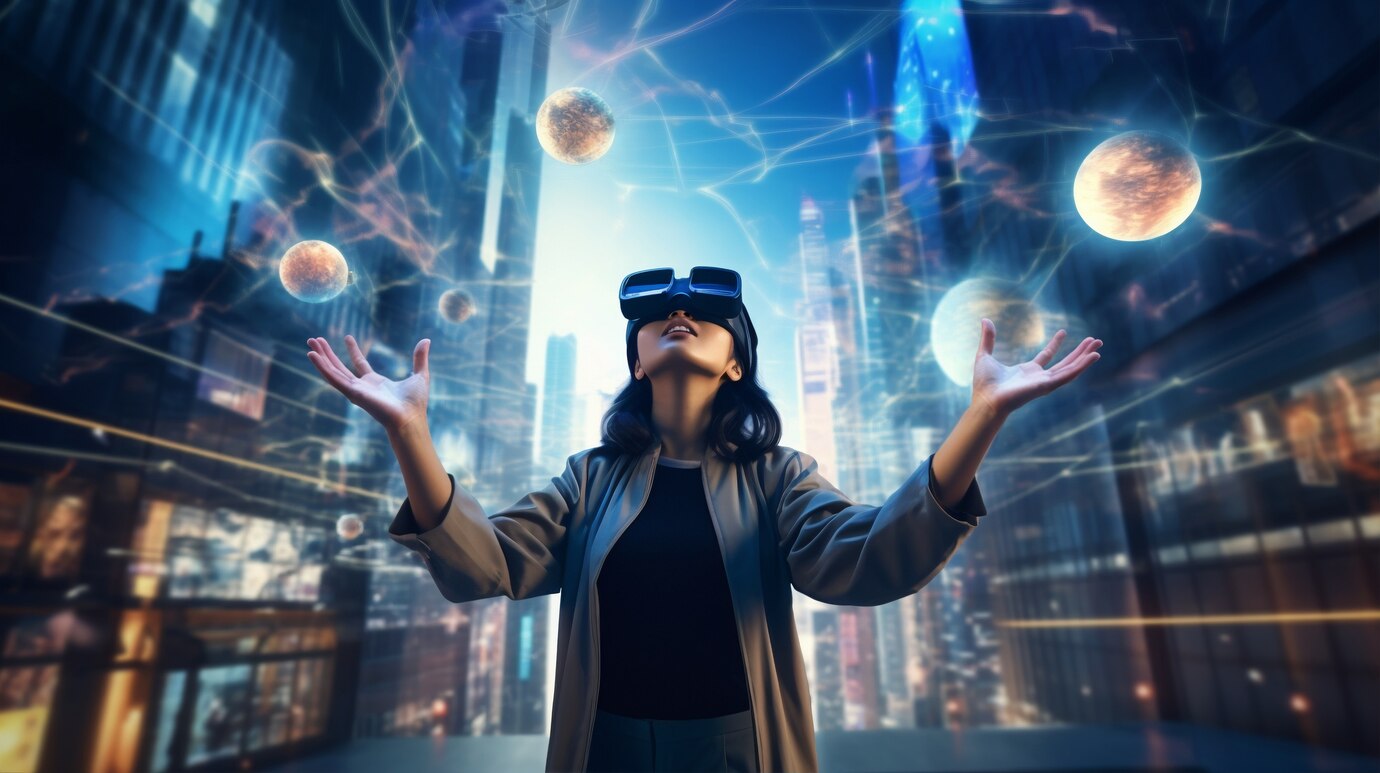
3D & Motion Design: Bringing Ideas to Life with AR/VR
Design is no longer confined to static visuals or flat screens—it's now an immersive, dynamic experience that engages users on multiple sensory levels. As businesses and creators embrace cutting-edge technologies like augmented reality (AR) and virtual reality (VR), 3D and motion design have become essential tools for storytelling, branding, and interactive communication. These technologies transform ideas from simple concepts into living, breathing experiences that captivate audiences and leave lasting impressions.
The Power of 3D Design: 3D design enables creators to build realistic environments, products, and characters that feel tangible and emotionally engaging. Unlike traditional 2D graphics, 3D elements allow for depth, texture, and perspective—making visuals come alive in ways that resonate deeply with viewers. Whether it’s a 3D-rendered product preview, an architectural walkthrough, or an animated logo sequence, the sense of realism and interactivity adds tremendous value to design and marketing efforts. Industries such as e-commerce, architecture, automotive, and gaming are leveraging 3D visualization to showcase their products and services in more compelling, lifelike ways.
In the world of branding, 3D design also plays a key role in creating visual identities that stand out. Animated brand mascots, interactive product showcases, and stylized motion graphics help businesses communicate complex messages with clarity and creativity. These experiences not only engage users but also make brands more memorable. The integration of 3D elements into websites, social media campaigns, and digital ads is rapidly becoming the new standard for visual innovation.
The Role of Motion Design: Motion design brings energy, emotion, and flow to digital storytelling. From micro-animations in user interfaces to full-scale motion graphics in videos and advertisements, motion is what connects visuals to human emotion. Smooth transitions, animated typography, and dynamic effects help guide users’ attention, improve navigation, and create a sense of delight. Every movement, no matter how subtle, contributes to the overall experience—making static designs feel alive and responsive.
In UI/UX design, motion plays a practical and aesthetic role. For example, animated feedback when a user presses a button or transitions between screens enhances usability and provides intuitive cues. In branding and advertising, motion design creates rhythm and emotion, helping brands express personality through animation. When done well, motion not only enhances visuals but also communicates intent and emotion in ways that words and static images cannot.
When 3D Meets AR/VR: The fusion of 3D and motion design with AR and VR technologies is transforming digital creativity into full-fledged immersion. In AR, 3D models blend seamlessly with the real world—allowing users to interact with digital content in physical environments. For example, furniture brands let customers place virtual chairs or tables in their homes before purchasing, while fashion retailers offer virtual try-ons. In VR, entire environments are built from scratch, enabling users to explore products, worlds, or stories as if they were physically present. The possibilities for training, marketing, education, and entertainment are virtually limitless.
3D and motion designers play a central role in shaping these experiences. They craft interactive scenes, realistic lighting, and natural motion that make digital objects feel believable. With advancements in real-time rendering engines like Unreal and Unity, these experiences can now be produced faster and more efficiently than ever before. As technology evolves, the distinction between digital and physical space continues to blur—opening new opportunities for artists, brands, and businesses to connect with audiences in truly transformative ways.
Applications Across Industries: From virtual product demos to immersive advertising campaigns, 3D and motion design are becoming integral to business strategy. In education, they make learning more interactive through simulations and 3D visualizations. In healthcare, 3D and AR tools help doctors visualize anatomy and plan surgeries. In entertainment, motion graphics and VR environments redefine storytelling by allowing audiences to participate in the narrative. Even corporate presentations and social media posts are evolving into visually dynamic, motion-driven experiences that capture attention in seconds.
The Tools Behind the Magic: Designers today rely on an evolving toolkit that includes software like Blender, Cinema 4D, After Effects, Unreal Engine, and Unity. These tools allow for advanced modeling, animation, lighting, and real-time rendering. Integrating AI-driven enhancements further speeds up workflows—automating tasks like motion smoothing, texture generation, and lighting optimization. As hardware becomes more powerful and accessible, 3D and motion design are no longer reserved for studios with big budgets—they’re becoming standard practice for creative professionals and businesses of all sizes.
Challenges and the Path Forward: Despite the excitement, creating seamless AR/VR experiences still requires careful balance between creativity, technology, and usability. Performance optimization, realistic motion physics, and intuitive user interaction design are critical for maintaining immersion. As AR and VR platforms evolve, designers must think beyond screens—considering spatial design, gesture-based interaction, and user comfort. The goal is not just to impress but to engage meaningfully, ensuring that every visual and movement serves a clear purpose.
The Future of 3D & Motion Design: The next evolution in design will be defined by interactivity, personalization, and immersion. As AI, AR, and real-time rendering merge, designers will gain even greater creative freedom. Imagine a future where users can co-create experiences—customizing animations or interacting with branded 3D worlds that respond dynamically to their behavior. 3D and motion design will become more adaptive, intelligent, and emotionally aware, deepening the connection between humans and digital media.
In essence, 3D and motion design powered by AR and VR are redefining how ideas are visualized, shared, and experienced. They bridge imagination with reality, transforming static information into living, interactive stories. Whether you’re a business aiming to captivate customers or a designer looking to push creative boundaries, mastering these disciplines will be essential in shaping the future of digital communication and experience design.