
Blockchain, AR/VR & IoT: Where Businesses Should Invest Next
Over the past few years, technology has advanced at a breathtaking speed, and the way businesses operate has changed forever. Innovations that once sounded futuristic—like blockchain, augmented and virtual reality (AR/VR), and the Internet of Things (IoT)—are now shaping real industries and influencing global markets. These emerging technologies are creating opportunities that didn’t exist a decade ago, while also challenging traditional business models. For companies looking to stay relevant, understanding where and how to invest in these technologies is becoming a critical factor for long-term success.
Blockchain technology has evolved from a niche financial tool into a powerful enabler of trust and transparency across multiple sectors. At its core, blockchain is a distributed ledger system that allows transactions and data exchanges to occur securely without relying on centralized authorities. This simple yet revolutionary concept has opened the door to applications far beyond cryptocurrency. Businesses can use blockchain to track goods across supply chains, verify authenticity in luxury products, and prevent fraud in digital transactions. Smart contracts—self-executing agreements coded directly into the blockchain—can automate business processes, ensuring that payments, deliveries, and approvals happen instantly and without intermediaries. This reduces administrative overhead, eliminates human error, and builds trust between parties who may have never met in person.
Another transformative area is the use of Non-Fungible Tokens (NFTs), which have introduced entirely new ways for brands to engage with audiences. Beyond digital art, NFTs are being used for event tickets, membership programs, and even product authentication. A company can issue digital certificates tied to physical goods, ensuring that every buyer knows exactly where the product came from and that it’s genuine. For businesses focused on transparency and customer loyalty, blockchain provides the backbone for an entirely new type of relationship between company and consumer—one based on verified truth rather than marketing promises.
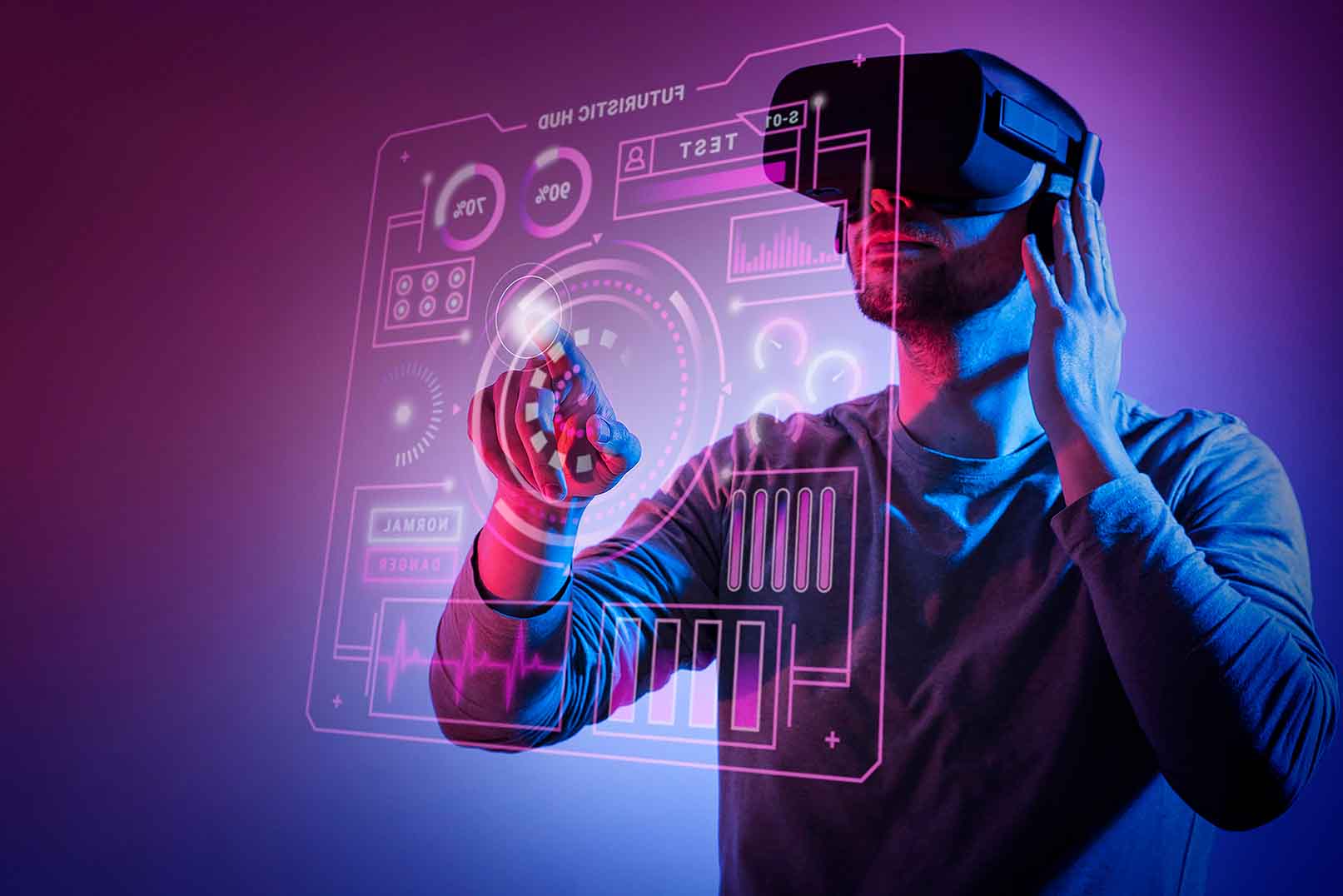
AR and VR technologies, meanwhile, are revolutionizing how people experience the digital world. Augmented reality overlays digital elements onto real-world environments, while virtual reality immerses users in completely digital spaces. Both technologies are rapidly moving from entertainment into serious business applications. In retail, customers can virtually “try on” clothing or see how furniture fits in their home before buying. In construction and architecture, AR tools help visualize blueprints in real environments, reducing costly design errors. Companies that embrace AR/VR early are gaining a competitive edge by offering unique and interactive experiences that deepen customer engagement and build stronger emotional connections with their brands.
In the realm of training and education, VR simulations are helping organizations prepare employees for complex or dangerous tasks. Airline pilots, surgeons, and factory workers can all practice in safe, realistic environments without risk or material waste. The cost of VR hardware continues to drop, making it accessible even to small and mid-sized businesses. In addition, the rise of mixed reality—combining both AR and VR—means that remote collaboration can happen in more natural and immersive ways. Teams can meet inside 3D virtual rooms, interact with digital prototypes, and make decisions faster than ever before. This is particularly powerful in a world where hybrid and remote work have become permanent fixtures.
The Internet of Things (IoT) is another driving force behind the data revolution. By connecting physical devices to the internet, IoT enables continuous data collection, monitoring, and automation. Every sensor, smart camera, or connected machine becomes part of a massive ecosystem that delivers insights in real time. For manufacturing companies, IoT can monitor equipment performance and predict maintenance needs before breakdowns occur, saving both time and money. In logistics, connected tracking systems allow businesses to monitor shipments across continents with pinpoint accuracy. Retailers use IoT-enabled shelves and inventory systems to automatically reorder products before they run out, reducing waste and improving efficiency.
In healthcare, IoT devices are saving lives by giving doctors access to real-time patient data. Wearable devices can track heart rates, glucose levels, or physical activity, allowing medical professionals to intervene early when anomalies occur. This type of data-driven medicine is transforming preventive care and improving outcomes, especially for chronic conditions. As 5G and edge computing continue to mature, IoT devices will become even more capable, processing massive amounts of data locally and sending only the most relevant information to central systems. This will open the door to smarter cities, energy-efficient homes, and fully automated industries.
When combined, Blockchain, AR/VR, and IoT can create unprecedented levels of innovation. Imagine a supply chain where every product has an IoT sensor tracking its condition and location, with all data recorded on a blockchain for full transparency. Customers could use AR to view a product’s entire journey—from factory to delivery—right from their phones. This integration of physical, digital, and virtual worlds represents the next phase of digital transformation. Businesses that adopt this mindset can deliver trust, interactivity, and intelligence all at once—three factors that will define future market leaders.
However, the excitement surrounding these technologies can also lead to overhyped expectations and wasted resources. Many companies jump into new technologies simply because they’re trending, without fully understanding how they align with their goals or operations. Implementing blockchain or IoT without a clear strategy can lead to complex systems that add cost without real value. The key is to identify specific business challenges and then determine whether technology can solve them more effectively than existing solutions. For example, blockchain might make sense for securing supply chain data, but not for managing internal records where traditional databases work fine.
In the same way, AR/VR can revolutionize customer experiences—but only if the target audience is ready to engage in those environments. A well-designed immersive experience can boost brand visibility and loyalty, but an unnecessary or poorly executed one can have the opposite effect. IoT adoption, too, requires careful planning around cybersecurity and data management. With every connected device comes the risk of unauthorized access or data leaks. Businesses must invest in robust security measures and privacy policies to build customer trust while taking advantage of the benefits these technologies offer.
In the years ahead, these three technological pillars will continue to intersect and evolve. Blockchain will expand beyond finance into identity verification, voting systems, and cross-border transactions. AR/VR will merge with artificial intelligence to create adaptive, personalized virtual worlds. IoT will drive automation across homes, cities, and industries, turning data into actionable insights in real time. Together, they form the foundation for a new era of digital intelligence—one where businesses can operate smarter, faster, and more transparently than ever before.
The companies that thrive in this new era will not necessarily be the biggest or most established. They will be the ones that stay flexible, experiment intelligently, and invest with purpose. Instead of chasing every trend, they will focus on where technology genuinely enhances value—for customers, employees, and society as a whole. The future of business isn’t just about adopting new tools; it’s about aligning innovation with human needs and strategic vision. In this balance between technology and purpose lies the true opportunity for sustainable growth.
As we look forward, it’s clear that the boundaries between the physical and digital worlds are disappearing. From blockchain-powered ecosystems and AI-driven IoT systems to immersive AR/VR experiences, the convergence of these technologies will shape how we live, work, and interact. Businesses that recognize this shift and adapt thoughtfully will not only survive but lead in the coming decade. The message is simple: don’t chase the noise—build the future where innovation meets real impact.