
Progressive Web Apps (PWAs): The Future of Mobile Web
Progressive Web Apps (PWAs) are transforming the way users interact with websites and mobile experiences. Combining the accessibility of the web with the functionality of native apps, PWAs offer fast, reliable, and engaging experiences across devices. They are increasingly recognized as the future of mobile web, providing businesses with an efficient, cost-effective, and scalable solution for reaching users without requiring traditional app stores or heavy downloads.
What Makes PWAs Unique?
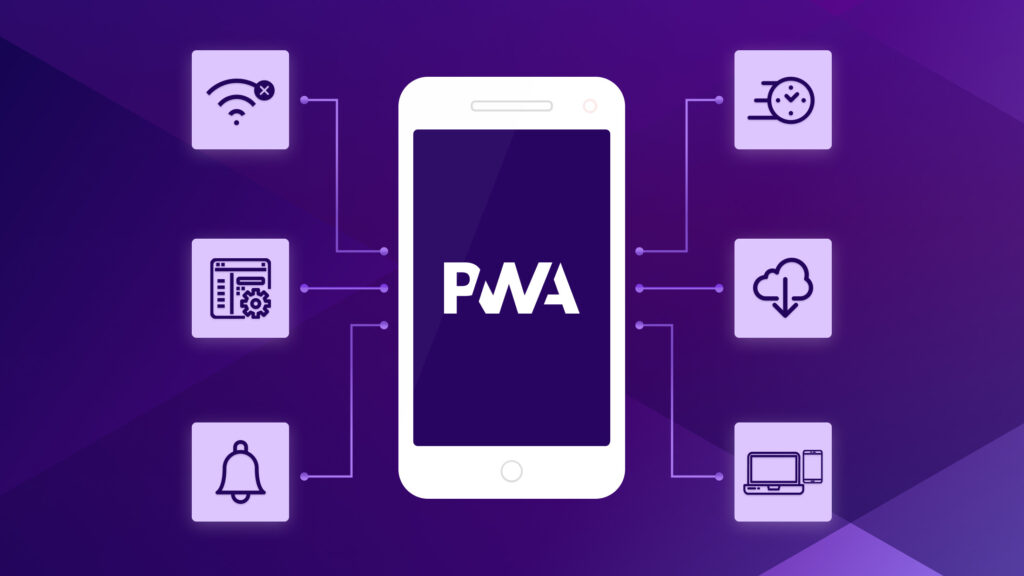
Unlike traditional websites, PWAs can work offline, load quickly even on slow networks, and deliver push notifications. They use modern web technologies, including service workers and web app manifests, to provide app-like experiences directly through a browser. This means users can add PWAs to their home screens, launch them in full-screen mode, and enjoy smooth animations and transitions similar to native apps. The combination of responsiveness, reliability, and engaging features makes PWAs ideal for businesses looking to enhance user retention and satisfaction.
Performance and Speed
One of the key advantages of PWAs is performance. By leveraging caching strategies and service workers, PWAs load instantly, even in poor network conditions. This reduces bounce rates and ensures that users can interact with content seamlessly. Fast-loading interfaces, smooth scrolling, and responsive touch interactions contribute to a positive experience that keeps users coming back. In e-commerce, media, and content-heavy websites, this performance boost directly translates into higher engagement and conversions.
Offline and Reliable Experiences
Traditional websites depend on network availability, but PWAs can function offline or in areas with unstable connectivity. By caching essential assets and data, PWAs allow users to continue browsing, reading, or even completing transactions without interruption. This reliability is especially valuable for emerging markets, travel apps, or services used in remote locations. Offline capabilities also improve user trust and loyalty, as users can rely on the app whenever they need it.
Push Notifications and Engagement
PWAs support push notifications, a feature once limited to native apps. Businesses can re-engage users with personalized messages, updates, promotions, or alerts. Push notifications help maintain long-term engagement, drive traffic, and increase conversions without relying solely on email or social media. When combined with analytics and behavior tracking, PWAs can deliver highly targeted, timely content that enhances the user experience and reinforces brand loyalty.
Cost-Effectiveness and Cross-Platform Reach
Developing native apps for multiple platforms often requires separate teams, codebases, and maintenance. PWAs, by contrast, are built using standard web technologies—HTML, CSS, and JavaScript—making them more cost-effective and easier to maintain. A single PWA works across iOS, Android, and desktop devices, reducing development time and operational overhead. Businesses can launch quickly, reach a wider audience, and iterate based on real-time feedback without the constraints of app store approval processes.
Improved SEO and Discoverability
Because PWAs are essentially websites, they remain fully indexable by search engines, enhancing discoverability. This is a major advantage over traditional native apps, which rely on app store search mechanisms. Users can find PWAs through Google search, social media links, or direct sharing, making organic growth easier. Enhanced SEO, combined with app-like functionality, creates a powerful tool for attracting, retaining, and converting users.
The Future of Mobile Web
PWAs are positioned to redefine mobile web interactions. As devices, browsers, and networks continue to evolve, PWAs will provide increasingly sophisticated features, including integration with device sensors, AR/VR capabilities, and offline-first commerce. Businesses that adopt PWAs gain a competitive edge by offering fast, reliable, and engaging experiences without forcing users to download large apps. This approach bridges the gap between web and mobile, providing the best of both worlds in a single solution.
In conclusion, Progressive Web Apps represent the future of mobile web by combining the accessibility of websites with the functionality of native apps. Their performance, offline capabilities, engagement features, cost-effectiveness, and discoverability make them an essential strategy for modern businesses. By embracing PWAs, companies can deliver seamless, app-like experiences to users worldwide while optimizing development resources and maximizing reach.