The Power of UI/UX Design: Why Wireframes & Prototypes Matter
User interface (UI) and user experience (UX) design are the backbone of every successful digital product. While aesthetics are important, the true power of UI/UX lies in creating seamless, intuitive, and engaging experiences that meet user needs. Wireframes and prototypes are essential tools in this process—they allow designers and stakeholders to visualize ideas, test assumptions, and refine workflows before a single line of code is written. Understanding their value is critical for building products that users love and businesses trust.
Wireframes: The Blueprint of Design
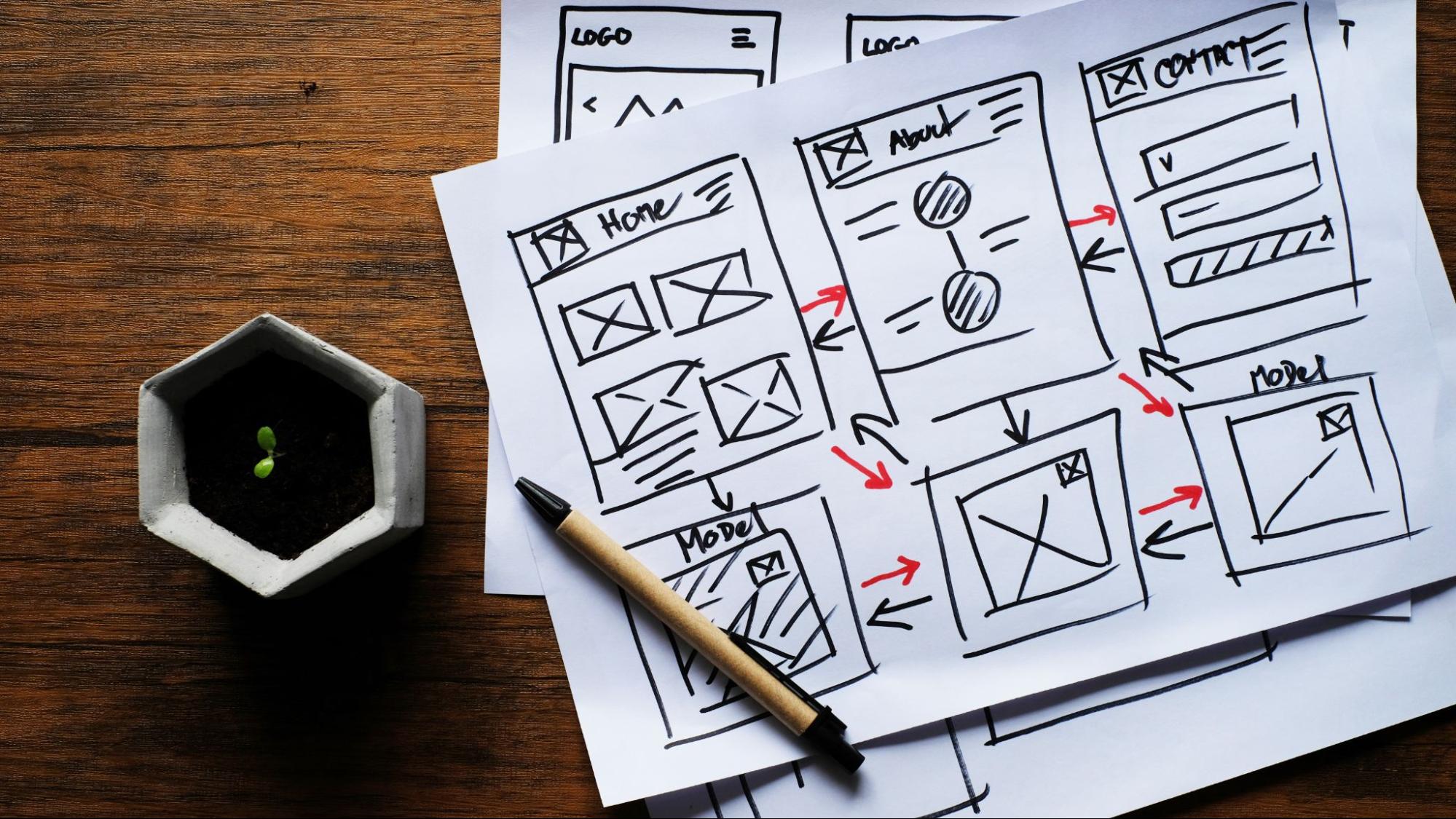
Wireframes act as the blueprint of a digital product, outlining structure, hierarchy, and functionality without distraction from visual details. They provide a simplified, skeletal view of screens, showing where elements like buttons, menus, images, and forms will be placed. This allows teams to focus on usability, layout, and navigation before investing time in styling or development. Wireframes help identify potential issues early, such as confusing navigation paths, missing features, or content gaps, saving both time and cost during later stages.
Wireframes are especially valuable for aligning teams. Designers, developers, and stakeholders can discuss the app’s functionality and flow in a tangible, visual way. Feedback is easier to implement at this stage, preventing costly revisions after coding has begun. Low-fidelity wireframes emphasize clarity and structure, while high-fidelity wireframes add detail and simulate user interaction more closely. Both play a crucial role in creating a coherent and user-friendly product.
Prototypes: Bringing Interactions to Life
While wireframes provide structure, prototypes demonstrate functionality and interactivity. They simulate real user experiences, allowing stakeholders and testers to click through screens, navigate workflows, and experience the product before development. Prototypes help validate design decisions, uncover usability problems, and refine interactions such as button responses, transitions, and animations. By testing prototypes with real users, designers gain valuable insights that inform iterative improvements, ultimately resulting in a more polished final product.
Prototypes also improve communication between design and development teams. Developers can understand the intended functionality, interaction logic, and behavior, reducing ambiguity and ensuring implementation matches design intent. This leads to faster development cycles, fewer misunderstandings, and higher-quality outcomes. Interactive prototypes are especially useful for demonstrating complex workflows, onboarding sequences, and multi-step processes that are difficult to convey with static wireframes alone.
Enhancing User Experience Through Iteration
The combination of wireframes and prototypes enables iterative design—a core principle of UX. By continually testing and refining layouts, interactions, and flows, designers can create products that meet user needs more effectively. Early-stage testing with wireframes and low-fidelity prototypes helps uncover usability issues without extensive development effort. As the design evolves into high-fidelity prototypes, usability testing becomes more realistic, ensuring that the final product is intuitive, efficient, and enjoyable to use.
Iterative design also supports data-driven decision-making. Analytics from prototype testing can reveal where users hesitate, make errors, or abandon tasks. Designers can then optimize flows, clarify instructions, and streamline processes. This focus on user behavior ensures that the product is not just visually appealing, but also functional, accessible, and satisfying—leading to higher engagement, retention, and overall success.
Reducing Development Costs and Risks
Investing in wireframes and prototypes early reduces development costs and risks significantly. Catching issues in the design phase is far less expensive than addressing them during or after coding. Changes to layouts, interactions, or features can be made quickly and efficiently in wireframes or prototypes. Additionally, stakeholders gain confidence in the design before development begins, minimizing misalignment and ensuring resources are spent wisely.
By identifying usability issues, clarifying requirements, and validating interactions upfront, teams avoid wasted development effort and improve the likelihood of delivering a product that resonates with users. This proactive approach reduces the risk of failed launches, negative reviews, and costly redesigns, ensuring a smoother path from concept to release.
Wireframes and Prototypes Foster Collaboration
Another significant advantage of wireframes and prototypes is that they foster collaboration across teams. Designers, developers, product managers, and clients can communicate more effectively using visual and interactive representations. Misunderstandings about functionality, layout, or flow are minimized, and decisions are made based on shared understanding rather than assumptions. Collaborative feedback leads to better design outcomes and builds consensus among stakeholders, ensuring everyone is aligned toward a common vision.
The Future of UI/UX Design
As digital products grow more complex and user expectations rise, wireframes and prototypes will become even more essential. Emerging technologies like AR, VR, voice interfaces, and AI-driven personalization require careful planning and testing before implementation. Designers will rely heavily on advanced prototyping tools, interactive simulations, and collaborative platforms to iterate quickly and create seamless experiences across multiple touchpoints.
Ultimately, the power of UI/UX design lies in its ability to connect users with products in meaningful ways. Wireframes and prototypes are not just preliminary steps—they are strategic tools that save time, reduce costs, improve collaboration, and enhance usability. By prioritizing these practices, businesses can create digital experiences that are intuitive, engaging, and memorable, turning users into loyal advocates and products into lasting success stories.