
Graphic Design & Branding: More Than Just a Logo
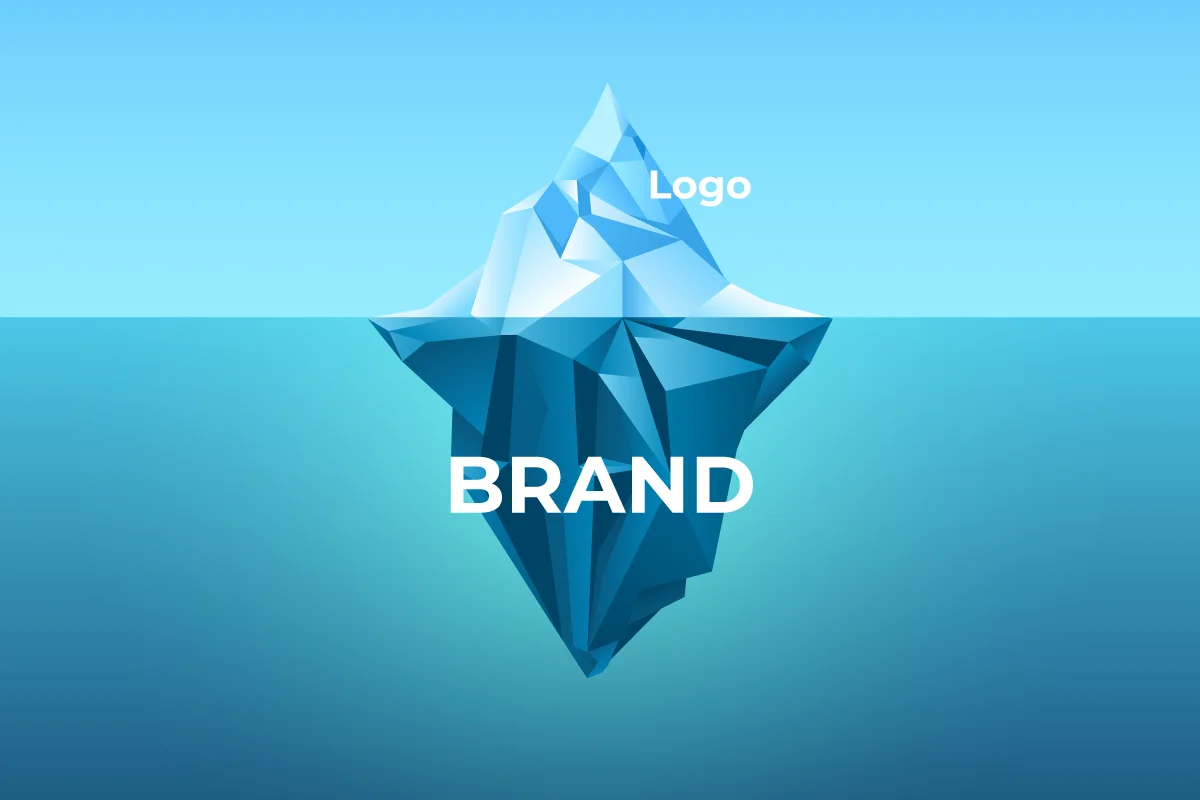
Graphic design and branding are often misunderstood as being synonymous with logos—but in reality, they go far beyond that. A logo is just the tip of the iceberg. True branding is about crafting an entire visual and emotional ecosystem that defines how people perceive and connect with a business. From typography and color palettes to tone of voice and storytelling, every design decision plays a part in shaping a brand’s personality and influence. In today’s fast-paced digital environment, strong design and thoughtful branding are what separate successful companies from forgettable ones.
Beyond the Logo: The Language of Visual Identity
A logo acts as a brand’s signature, but it’s only one part of a larger identity system. A complete visual identity includes typefaces, iconography, imagery, and layout principles that work together to convey consistency and recognition. Think of Apple’s minimalism, Coca-Cola’s energetic red, or Nike’s dynamic typography—all instantly recognizable even without seeing their logos. The goal of graphic design in branding is to create cohesion, ensuring that every touchpoint, from a website to a business card, speaks the same visual language.
Color theory plays a particularly powerful role in this system. Each hue evokes specific emotions—blue can communicate trust, red can express energy and urgency, while green often symbolizes growth or sustainability. When combined with thoughtful typography and imagery, these elements create a visual identity that communicates values before a single word is read. Good design doesn’t just make something look appealing—it tells a story about what the brand stands for and how it makes people feel.
The Emotional Side of Branding
Great branding is emotional. It’s not just about what people see—it’s about what they remember and how they relate. When someone chooses a product or service, they’re often buying into the story and emotion behind it. This is where graphic design bridges the gap between visuals and psychology. Shapes, patterns, and even white space can influence how people perceive a brand’s reliability, luxury, or innovation.
For example, luxury brands tend to use minimalist design, elegant fonts, and high-contrast color schemes to communicate exclusivity and sophistication. Tech startups often prefer clean, modern, and bold visuals that suggest innovation and progress. A playful children’s brand, on the other hand, may use soft curves, pastel colors, and whimsical illustrations to feel approachable and fun. Every design choice is intentional—it’s about crafting an emotional experience that resonates with the target audience.
Consistency: The Key to Trust
A strong brand is built on consistency. Whether a customer interacts with a social media post, packaging, or mobile app, the visual and emotional tone should feel unified. Inconsistent design confuses audiences and weakens trust, while a consistent visual identity creates familiarity and confidence. That’s why successful brands invest in detailed brand guidelines—comprehensive documents that define exactly how the logo, colors, fonts, and imagery should be used across platforms.
Consistency doesn’t mean rigidity, though. The best brands evolve while maintaining their core identity. Think of how Google’s logo and interface have modernized over time—cleaner, flatter, more accessible—yet still unmistakably Google. Adaptability is the secret to staying relevant while preserving the essence of a brand.
Graphic Design in the Digital Age
In a world dominated by screens, graphic design has expanded far beyond print. Designers now create for websites, apps, social media, digital ads, and even augmented reality. This shift demands versatility—understanding how visuals behave in motion, on different devices, and across user experiences. Brands today must be visually dynamic, capable of maintaining identity across formats while adapting to new technologies.
Social media has especially transformed branding. Every post, story, and ad becomes a micro-expression of the brand. Design consistency across platforms like Instagram, LinkedIn, and TikTok helps audiences instantly recognize and trust a company. Animation, motion graphics, and video storytelling have also become integral parts of modern branding strategies, allowing companies to express their values with greater depth and emotion.
Storytelling Through Design
Every successful brand tells a story—and design is the visual storyteller. Through layout, imagery, and composition, design can express purpose and evoke emotion in ways that words alone cannot. For example, a sustainable fashion brand might use earthy tones, organic textures, and natural imagery to reflect its eco-friendly values. A cutting-edge tech company might use sharp geometric shapes and futuristic color gradients to emphasize innovation. Design translates values into visuals that audiences can feel, not just see.
Graphic designers today often collaborate closely with marketing teams, copywriters, and strategists to ensure that every campaign reflects the brand’s core message. This holistic approach aligns visuals and messaging, reinforcing brand authenticity and purpose at every interaction. A strong narrative, supported by consistent design, helps brands form emotional bonds with their audiences—turning customers into loyal advocates.
Building Brand Equity
Good design is not an expense—it’s an investment in perception. Every design decision contributes to brand equity—the accumulated value that comes from recognition, trust, and emotional connection. When people associate a brand with positive experiences, they’re more likely to choose it again, recommend it to others, and remain loyal even in competitive markets. Over time, visual consistency and strong branding turn a logo into a symbol of reliability and meaning.
The Future of Branding and Design
As technology continues to evolve, so will the boundaries of graphic design and branding. Artificial intelligence, augmented reality, and personalization are reshaping how brands interact with their audiences. Tomorrow’s designs won’t just be seen—they’ll be experienced. Brands will become more dynamic, adaptive, and immersive, using data and interactivity to tailor experiences for each individual user.
Ultimately, great branding is a living ecosystem—a fusion of design, emotion, and storytelling. It’s what transforms a business from a name into an identity, from a product into a purpose. A logo may start the conversation, but the full brand experience keeps it alive. In the hands of skilled designers and strategists, graphic design becomes the art of shaping how the world sees, feels, and remembers a brand.