Insights
The Convergence of Innovation: Why Blockchain, AR/VR, and IoT are the New Business Essentials
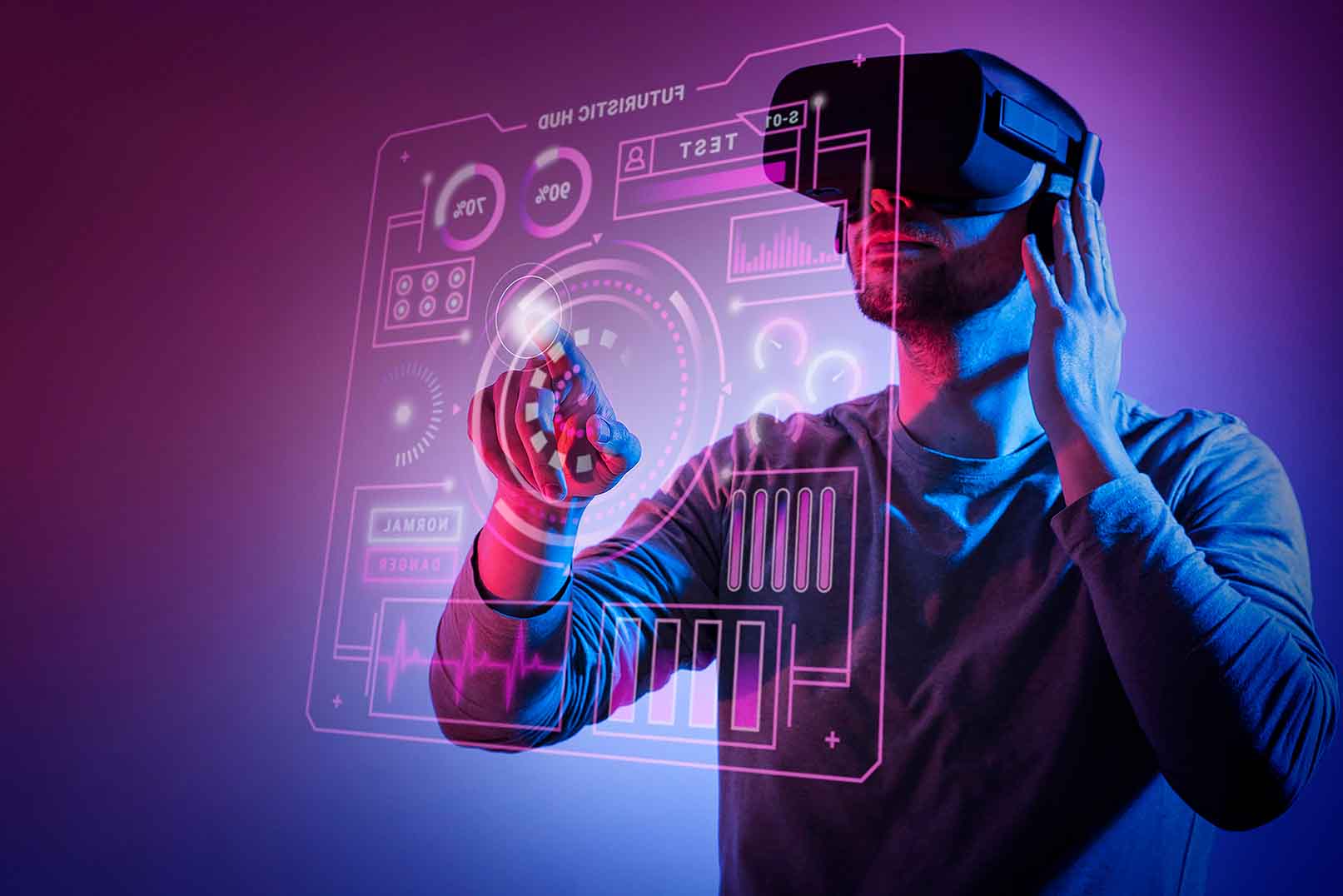
In the current digital landscape, "innovation" is no longer a buzzword—it is a survival mechanism. Technologies that once lived in the realm of science fiction - Blockchain, AR/VR, and the Internet of Things (IoT) - have matured into the foundational pillars of the modern economy.
For the strategic investor and the forward-thinking brand, the question isn't if these technologies will change your industry, but how you will harness them to secure a competitive edge.
1. Blockchain: Beyond the Crypto Hype
While the world was distracted by currency fluctuations, Blockchain was quietly solving the oldest problem in business: Trust.
By moving from centralized databases to a distributed ledger system, businesses are eliminating the "middleman tax."
- Smart Contracts: These self-executing scripts are revolutionizing operations. Imagine a supply chain where a payment is triggered automatically the millisecond a sensor confirms a delivery. No invoices, no delays, no human error.
- The New Era of Authenticity: Brands are now using NFTs (Non-Fungible Tokens) not just for art, but as Digital Passports. From luxury watches to organic produce, customers can verify a product’s entire lifecycle with a single scan, shifting the brand relationship from "marketing promises" to "verified truth."
2. AR/VR: The Death of the Passive Consumer
We are moving from a "click-and-scroll" internet to an "inhabited" internet. Augmented Reality (AR) and Virtual Reality (VR) are redefining the customer journey.
- Experiential Retail: Whether it’s "trying on" glasses virtually or seeing how a sofa looks in a living room, AR reduces the "psychological distance" to a purchase. It effectively kills the "buyer's remorse" that plagues e-commerce.
- Immersive Training: VR is the ultimate "safe space" for high-stakes industries. From surgeons practicing complex maneuvers to factory workers learning heavy machinery, VR slashes training costs and material waste while increasing retention rates.
- The Future of Collaboration: With Mixed Reality (MR), the "Zoom fatigue" of 2D screens is replaced by 3D virtual boardrooms where remote teams can interact with digital prototypes as if they were in the same room.
3. IoT: The Nervous System of Modern Industry
The Internet of Things (IoT) has become the essential nervous system of modern industry, transforming physical assets into a continuous stream of actionable data and granting businesses "god-mode" visibility into every facet of their operations. This revolution is most visible in predictive maintenance, where IoT sensors detect minute heat or vibration anomalies to trigger repairs long before a costly breakdown occurs, and in Healthcare 2.0, where wearables shift medicine from reactive treatment to proactive intervention by monitoring vitals in real time. Powering this entire ecosystem is the strategic rollout of 5G and Edge Computing; while 5G acts as the high-speed fuel for connectivity, Edge Computing allows devices to process massive amounts of data locally, ensuring that real-time automation is smoother, more reliable, and faster than ever before.
4. The Power of Integration: The "Phygital" Future
The real magic happens where these three pillars intersect.
- The Scenario: An IoT sensor on a pharmaceutical shipment tracks temperature.
- The Validation: That data is instantly written to a Blockchain ledger, ensuring it cannot be tampered with.
- The Experience: The end customer uses an AR app to scan the medicine bottle and see a 3D visualization of its journey, confirming it stayed at the correct temperature the entire time.
5. Strategic Investment: Avoiding the "Trend Trap"
As a marketing and tech specialist, I always advocate for Purpose over Hype. To avoid wasting resources, businesses must ask:
- Does this solve a friction point? If a traditional database works, you don't need a blockchain.
- Is the audience ready? Don't build a VR experience for a demographic that doesn't own headsets.
- Is the data secure? Every IoT device is a potential doorway for a cyberattack. Security must be "baked in," not bolted on.
The Bottom Line
The future of business belongs to those who don’t just "adopt" tools, but those who align innovation with human needs. The boundaries between the physical and digital are dissolving. Those who build in the space between will be the market leaders of the next decade.
Stop chasing the noise. Start building the impact.
Trends & Tips